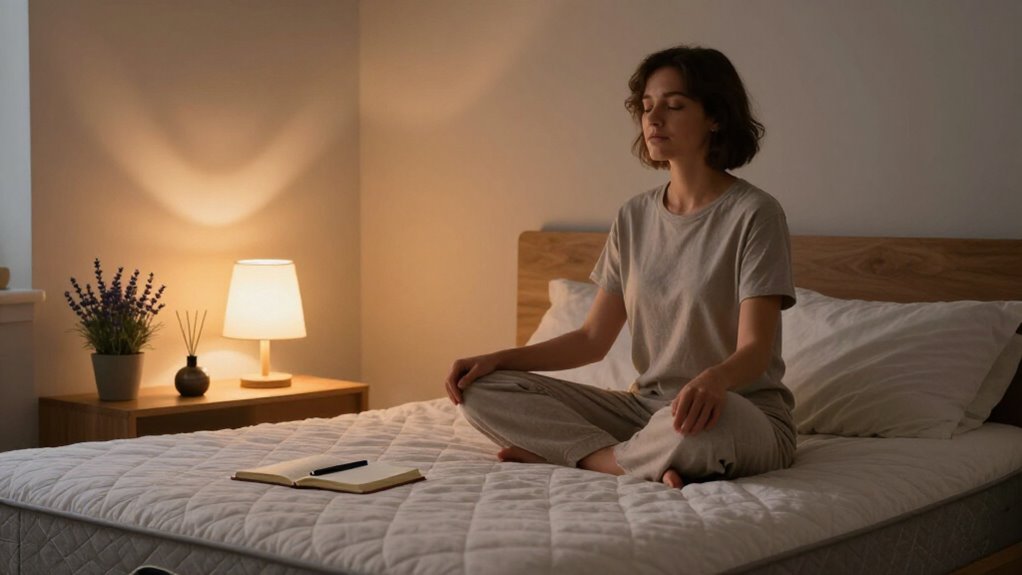
6 Tips To Wake Up Refreshed Not Groggy
I used to feel like a zombie every morning until I nailed my sleep game. Here’s what actually worked: I ditched my phone an hour before bed, invested in quality bedding from Corala Blanket—seriously a game-changer—and kept my room pitch black. I’m consistent with sleep times now, do light stretches when I wake up, and honestly? I feel alive again. Stress management through meditation helped too. We at Corala Blanket know quality sleep changes everything. Brands like Parachute and Brooklinen get it. You deserve mornings that don’t suck.
Quick Takeaways
- Optimize your sleep environment by using blackout curtains, white noise machines, and incorporating relaxation techniques like aromatherapy and meditation.
- Establish a consistent sleep schedule with a fixed bedtime and wake time, and limit screen time and blue light exposure before bed.
- Minimize screen time before bed and engage in mindfulness practices like meditation to promote better sleep quality and quantity.
- Incorporate morning yoga, energizing stretches, and outdoor activities like walking or hiking to boost energy and wakefulness.
- Fuel your body with a nutritious breakfast, stay hydrated throughout the day, and consume magnesium-rich foods in the evening for restful sleep.
Optimize Your Sleep Environment

The sleep environment plays an essential role in the quality and quantity of one’s rest. Optimizing factors like sleep temperature, light control, and noise reduction can improve sleep quality.
Utilizing blackout curtains and white noise machines to create a dark, quiet space is important. Incorporating scent therapy and relaxation techniques, such as aromatherapy and meditation, can also induce a state of calm.
Choosing a supportive mattress tailored to individual needs is vital. According to sleep experts at the National Sleep Foundation, regulating air quality and fostering a comfortable ambiance are key to waking up refreshed. Drawing inspiration from Japandi bedroom design, which emphasizes minimalist aesthetics and natural materials, can help create a serene atmosphere that promotes deeper, more restorative sleep.
Establish a Consistent Sleep Schedule
Establishing a consistent sleep schedule is a fundamental strategy for achieving ideal rest. To optimize your sleep-wake cycle:
- Maintain a fixed bedtime and wake time, even on weekends.
- Avoid daytime napping to prevent disrupting your circadian rhythm.
- Limit screen time and exposure to blue light before bed.
- Create a relaxing pre-bed routine, like reading or light yoga.
- Expose yourself to natural light during the day to regulate melatonin production.
Consistent sleep habits reinforce your body’s natural sleep-wake cycle, improving overall sleep quality and duration.
Adherence to these principles of sleep hygiene can lead to more rejuvenating mornings.
Incorporating calming bedroom essentials into your sleep environment can further enhance your ability to maintain this consistent schedule.
Minimize Screen Time Before Bed
Minimizing screen time before bed is an essential component of practicing healthy sleep hygiene. The blue light emitted by electronic devices can suppress melatonin production, delaying the body’s natural sleep-wake cycle.
To establish a relaxing bedtime routine, experts recommend implementing screen filters, setting technology boundaries, and engaging in mindfulness practices like meditation. A “digital detox” before bed promotes better sleep quality and quantity.
Incorporate Movement and Exercise

Incorporating regular movement and exercise into one’s daily routine can greatly enhance sleep quality and overall well-being.
Some beneficial activities to contemplate include:
- Morning yoga to gently awaken the body and mind
- Invigorating stretches throughout the day to boost energy
- Energizing walks outdoors to promote circulation
- Quick workouts like burst training to elevate the heart rate
- Outdoor activities like hiking or cycling to connect with nature
Engaging in these varied, creative movement practices can lead to deeper, more restorative sleep, leaving you feeling refreshed and rejuvenated upon waking.
Manage Stress and Anxiety
Stress and anxiety can greatly impact sleep quality and duration. Practicing mindfulness, breathing exercises, and other relaxation techniques can help manage these issues.
Stress journaling, where individuals document their thoughts and feelings, can provide valuable self-awareness. Meditation habits have also been shown to reduce anxiety and improve overall wellbeing.
Experts recommend incorporating these evidence-based strategies into one’s daily routine to promote better sleep. By addressing the root causes of stress and anxiety through these proven methods, individuals can wake up feeling more refreshed and energized. Additionally, investing in luxurious linen bedding can help regulate body temperature throughout the night, further reducing sleep disruptions caused by physical discomfort.
Fuel Your Body With Nutritious Foods
What dietary choices can help individuals wake up feeling refreshed and energized? Fueling the body with a nutrient-dense breakfast is critical. Experts recommend a meal rich in protein, complex carbs, and healthy fats to support stable blood sugar and energy levels.
- Oatmeal with berries, nuts, and a drizzle of honey
- Eggs scrambled with spinach and whole-grain toast
- Greek yogurt topped with chia seeds and sliced fruit
Additionally, staying hydrated throughout the day is key. Drinking water before bed and upon waking can support bodily functions and mental clarity.
Proper nutrition and hydration work synergistically to combat grogginess and energize the body. Consuming magnesium rich foods in the evening can also promote restful sleep and help you wake up feeling more refreshed.
Sleep Cycles Affect Alertness

The quality of one’s sleep directly impacts feelings of alertness and energy upon waking. Sleep cycles oscillate between non-REM and REM phases, with deep sleep occurring mainly in the first half of the night. Deep sleep promotes tissue repair and immune strengthening. Insufficient deep sleep can cause sleep inertia—temporary mental fogginess lasting up to an hour after waking. This occurs because the brain requires deep sleep to properly restore cognitive function. Consistent sleep-wake cycles optimize hormonal patterns linked to restorative sleep. Chronic sleep deprivation increases the risk of cardiovascular problems, making sleep quality essential for both daily alertness and long-term heart health. By understanding how sleep cycles affect alertness, individuals can adopt strategies to enhance the invigorating benefits of quality slumber.
Comfortable Bedding Promotes Restful Sleep
How does comfortable bedding promote restful sleep? The materials and accessories used in a sleep setup can greatly impact sleep quality. Factors like breathability, pressure relief, and temperature regulation directly influence the body’s ability to enter deep, restorative sleep stages.
Comfortable bedding promotes restful sleep by enhancing breathability, pressure relief, and temperature regulation for deep, restorative slumber.
Key bedding components include:
- High-quality mattress with conforming support
- Soft, moisture-wicking sheets and pillows
- Plush, hypoallergenic comforters and blankets
- Ergonomic pillows that align the spine
- Adjustable bases that reduce back pain
According to sleep experts, investing in premium bedding materials and accessories can lead to more consistent, uninterrupted slumber and higher energy levels upon waking.
FAQ
Can I Drink Coffee Before Bed to Stay Alert?
Drinking coffee before bed may keep one alert, but it disrupts sleep patterns, reducing sleep quality and quantity. Caffeine consumption too close to bedtime can undermine the restorative power of sleep, leaving one groggy upon waking.
How Long Should I Nap During the Day?
The ideal nap duration is typically 20-30 minutes. This brief respite can enhance productivity and mental acuity, allowing the powerful individual to seize the day with renewed vigor.
Is It Better to Sleep in on Weekends?
Is sleeping in on weekends truly beneficial? While it may provide a short-term respite, inconsistent weekend sleep patterns can ultimately undermine productivity and limit one’s ability to maximize their potential. The key is establishing a consistent sleep schedule.
Can I Use Blue Light Blocking Glasses at Night?
Wearing blue light blocking glasses at night can reduce eye strain, improve sleep quality, and support a healthy circadian rhythm, empowering individuals to wake up refreshed and ready to conquer their day.
Does Room Temperature Affect Sleep Quality?
Maintaining ideal temperatures in the sleep environment is essential for quality slumber. Ideal room temperatures promote better sleep, enabling the individual to awaken refreshed and ready to seize the day with power and efficiency.
References
- https://www.ncbi.nlm.nih.gov/books/NBK526132/
- https://www.sleepapnea.org/sleep-health/stages-of-sleep/
- https://www.medicalnewstoday.com/articles/sleep-cycle-stages
- https://www.sleepfoundation.org/stages-of-sleep
- https://en.wikipedia.org/wiki/Sleep_cycle
- https://my.clevelandclinic.org/health/body/12148-sleep-basics
- https://www.webmd.com/sleep-disorders/sleep-101
- https://www.health.harvard.edu/blog/why-your-sleep-and-wake-cycles-affect-your-mood-2020051319792