


Nap smarter, not harder—or face the wrath of sleep inertia. I learned that the brutal way after a 90-minute “power nap” left me so disoriented I tried to unlock my apartment with my car keys.
Here’s my actual fix: 20 minutes flat, timed for that 2–3 p.m. circadian crash when your brain basically begs for mercy. NASA pilots use this trick—kept their performance up 34% versus non-nappers. No snooze button. Ever. That thing is a trap designed by chaos agents.
I pop 100mg caffeine beforehand (the “nappuccino” move). Caffeine peaks right as I wake. Game-changer.
At Corala Blanket, we’re obsessed with better sleep—it’s literally our job. Dr. Sarah Mednick’s research on napping and the 2026 “Sleepmaxxing” trend (optimizing every second of rest) back this up. Brooklinen’s cooling sheets help too. Room dark, temp low, alarm ruthless.
Splash cold water. Get bright light. Move on.
Why suffer through another groggy afternoon?
Beat Sleep Inertia With Smart Naps
If you’ve ever jolted awake from a nap only to feel mentally “thick,” you’ve run into sleep inertia—the temporary fogginess and short-lived disorientation that can blunt attention and decision-making right after waking. I control this by matching my nap to the stages that create less grogginess, then I run tight post-nap routines so I don’t stumble back into the day. The most reliable lever is the ideal nap duration: 15–30 minutes. In that window, I avoid waking from deep sleep (N3), which typically shows up after roughly 20 minutes and worsens inertia. If I take only 10–20 minutes, I still often counteract sleepiness—especially when I’m not already sleep-deprived. Pregnant women commonly struggle with sleep disruptions due to hormonal changes and physical discomfort, making strategic napping even more valuable for restoring daytime alertness.
Timing matters because your circadian rhythm has a built-in dip. For most people, I aim for an afternoon nap around 2–3 p.m., which tends to minimize interference with nighttime sleep. If I’m on shift work, I align my nap to my own low point rather than copying clock time; consistency beats guesswork. Sleep medicine emphasizes that structured nap protocols are among the most effective non-pharmacological interventions for managing daytime sleepiness. What you eat and drink throughout the day also shapes how easily you fall asleep for a nap and how refreshed you feel upon waking, so I avoid heavy meals and alcohol beforehand.
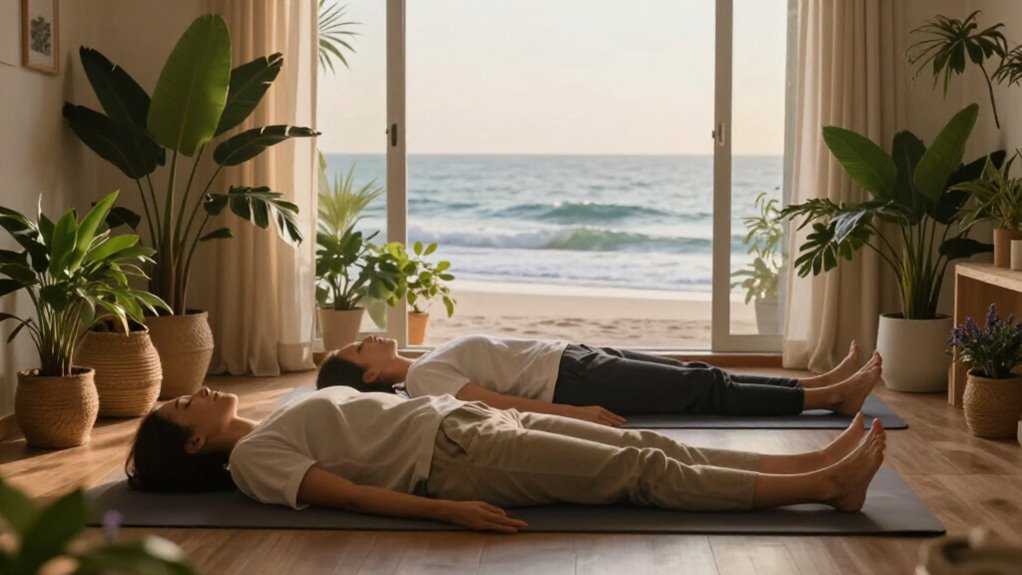
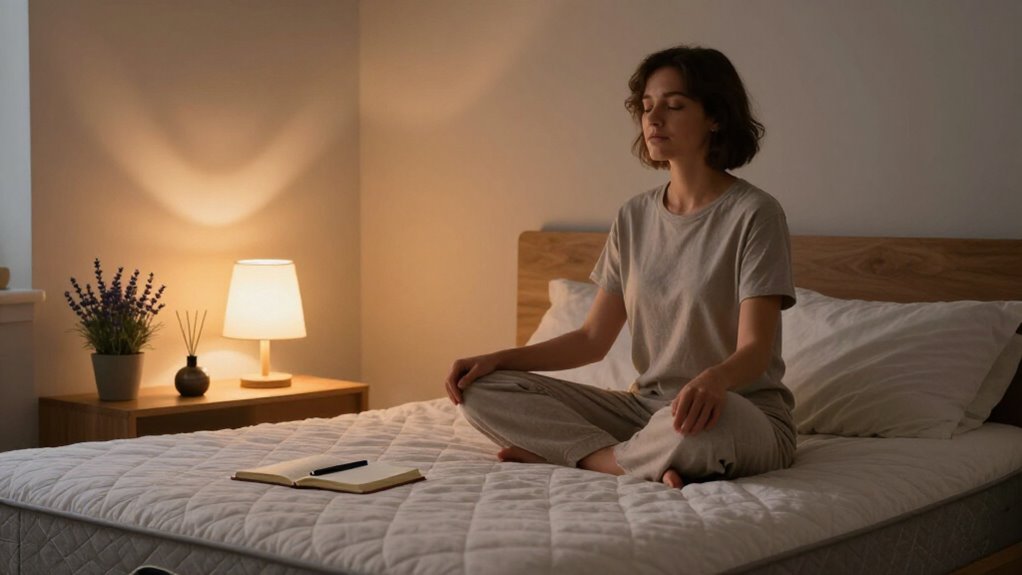
Environment is my second control panel. I choose a quiet, dark, cool room (about 65–68°F). Blackout curtains or a sleep mask eliminate visual cues, and I silence notifications and screens. Earplugs or white noise reduce auditory “startles,” letting me actually enter the brief sleep I planned.
When I want an extra edge, I use a pre-nap caffeine strategy—about 100 mg 30 minutes before waking. This is especially helpful because caffeine can reduce the time it takes for your reaction time to bounce back after you wake. That timing lets caffeine peak during or just after I rouse, shortening inertia. This is the logic behind the “nappuccino” approach, echoed in sleep-medicine practice at places like the Cleveland Clinic and discussed by researchers who study sleep stages and alertness dynamics.
My wake-up protocol is procedural, not hopeful. I set an alarm for the planned end time (no snooze), ideally placed away from the bed so I move immediately. Right after waking, I wash my face with cool water and expose myself to bright light, which speeds alertness recovery.
Then I give myself a short pause—enough to stabilize reaction time—before I start anything demanding. With consistent nap scheduling and disciplined post-nap routines, I trade grogginess for usable focus.
Binaural “sleep-Masking” Frequencies

One practical way I “soften” the edges of a nap and ease the brain into sleep is by using binaural beats—the effect you get when headphones feed each ear a slightly different tone and your brain registers the frequency difference as a third beat. In my toolkit, I use binaural entrainment techniques to steer you toward lighter, less-inertia waking: theta (4–8 Hz) for drowsiness, delta (0.5–4 Hz) for deeper calm. Brainwave shifts usually appear after 15–30 minutes. For those seeking additional support, a dedicated sound therapy machine can complement binaural beats with consistent ambient soundscapes designed specifically for restful sleep.
| Goal | Frequency cue |
|---|---|
| Drowsy, lighter nap | 6 Hz theta |
| N2→N3 shift | 3 Hz beat (on ~250 Hz carrier) |
| Avoid deep jerk-grogginess | Phase out by 90 min |
| Quick anxiety down (minutes) | 3 Hz reported in meta-analysis |
Heinrich Wilhelm Dove (1839) and Gerald Oster (1970s) laid groundwork; 2018/2023 studies support reduced anxiety and altered stage timing. Keep volume safe, and stop beats as you approach your alarm.
FAQ
What Nap Length Minimizes Sleep Inertia the Most?
I aim for 15–20 minutes; it’s the optimum duration that minimizes sleep inertia most. You might think longer sleeps “reset” you, but that’s a trap: waking from deeper N3 sleep spikes disorientation.
A short nap keeps you in lighter N1/N2, so you don’t bulldoze through sleep cycles. If I need extra recovery, I choose 90 minutes only when I can commit to finishing the full cycle reliably.
How Many Minutes Should I Avoid Before Setting My Alarm?
I’d avoid waking alarm timing from deep sleep by setting your alarm to ring 15–20 minutes into your nap duration.
If you must push longer, I keep it under 30 minutes; otherwise sleep inertia often rises because you’re more likely to hit slow‑wave N3.
I set the timer with a single, no-snooze alarm—think of it like catching a train before it slows fully.
For safer accuracy, I use SleepCycle or consult Walker’s sleep-inertia research.
Is a Coffee Nap Safe if I’M Sensitive to Caffeine?
Yes—most people can use a coffee nap, but if you’re caffeine sensitive, you should treat it like a lever, not a hammer; why gamble with your heart rate?
I’d start with half-caffeine (or decaf) and keep the nap to 15–20 minutes to avoid sleep inertia. For finer control, use coffee alternatives like tea, low-dose caffeine pills, or L-theanine (with caution).
Set an alarm, and track your response as Dr. Matthew Walker notes.
What’s the Best Time to Nap Without Harming Nighttime Sleep?
I’d nap in the early afternoon, ideally 2–3 PM, to match my circadian “dip” and protect my nighttime melatonin.
For most people, I keep the best nap duration at 15–20 minutes, so I wake from light N1/N2 instead of deeper N3. I set one firm alarm, skip snooze, and I’ll use bright light and a quick face wash right after.
Following Walter Reed-style sleep inertia findings, this preserves evening sleep quality.
If I Oversleep, How Can I Recover Quickly?
If you oversleep, I recover fast by countering sleep inertia: studies show grogginess peaks after waking from deep N3 and fades within about 30–60 minutes.
I’ll do a 10-minute power nap? No—I’ll skip naps and use “energy boosters” instead: splash cold water, wash my face, seek bright outdoor light, then drink coffee timed to hit 20–30 minutes later.
I’ll also move gently for 3–5 minutes.
References
- https://www.sleepfoundation.org/sleep-hygiene/get-rid-of-groggy-feeling-nap
- https://www.mayoclinichealthsystem.org/hometown-health/speaking-of-health/how-to-get-the-most-out-of-napping
- https://www.cdc.gov/niosh/work-hour-training-for-nurses/longhours/mod7/02.html
- https://www.henryford.com/Blog/2022/04/Feeling-drowsy-How-to-overcome-the-midday-slump
- https://www.healthline.com/health/sleep/how-to-deal-with-sleep-inertia
- https://www.goodrx.com/well-being/sleep/how-to-power-nap
- https://www.cdc.gov/niosh/work-hour-training-for-nurses/longhours/mod7/03.html
- https://pmc.ncbi.nlm.nih.gov/articles/PMC9909225/
- https://www.sleepfoundation.org/noise-and-sleep/binaural-beats
- https://pmc.ncbi.nlm.nih.gov/articles/PMC6165862/
Good post! We will be linking to this particularly great post on our site. Keep up the great writing
This post is easy to understand.