Ever tried sprinting at 10 PM and wondered why you’re staring at the ceiling at 2 AM? Yeah, me too—last Tuesday was brutal.
I learned the hard way: finish workouts 2–3 hours before bed, minimum. Your melatonin gets wrecked, and that post-cardio heat? Not cute.
Cardio spikes arousal way more than lifting—Dr. Matthew Walker from “Why We Sleep” backs this. So if it’s late, I swap my run for yoga or a chill walk. No shame in the “Sleepmaxxing” game, folks.
At Corala Blanket, we’re obsessed with better sleep—it’s literally our whole thing.
Tried the Oura ring yet? It’ll roast your late-night gym habits so fast.
What’s your cutoff time?
Quick Takeaways
- Aim to finish intense workouts at least 3–4 hours before bedtime to reduce lingering arousal and core temperature.
- If training late, switch to light-to-moderate activity or a cooldown to minimize sleep disruption.
- Monitor heart rate; stop exercising if it remains elevated well into the wind-down period.
- Avoid late-night high-intensity cardio to prevent melatonin suppression and sleep onset delays.
- Pair late workouts with a calming pre-bed routine (stretching, breathing, digital detox) to support sleep onset.
How Exercise Timing Affects Sleep: The Core Principles
When you time your workouts matters for how well you sleep, and the core principle is simple: exercise shifts your body’s arousal and temperature rhythms, which in turn influence sleep onset and quality. Properly timed physical activity can help align your body’s natural cycles with optimal bedroom temperature regulation, creating conditions for deeper, more restorative sleep.
I’ll explain how exercise duration and workout intensity shape these processes, highlight relaxation techniques, and stress reduction benefits—backed by researchers like Harvard’s sleep team—so you can calibrate routines with confidence.
Cardio vs. Strength Training: Which Pushes Sleep Timing Later?
Cardio and strength training affect sleep timing in distinct ways, and understanding their differences helps tailor your evening routine.
I’ll explain: cardio effects tend to raise core arousal and delay sleep onset, while strength training often increases fatigue with variable timing.
Cardio raises arousal and delays sleep onset; strength training boosts fatigue with variable timing.
Research by Johns Hopkins and sleep scientists supports measured sessions.
Balance intensity, duration, and personal response to optimize bedtime readiness and circadian alignment.
Studies indicate that late-night exercise can disrupt melatonin production, making the timing of your final activity particularly crucial.
Signs You’re Exercising Too Close to Bed (And What to Do)
Exercising too close to bedtime can short-circuit your sleep window, signaling your body to stay mentally and physically activated even as you wind down.
Signs include elevated heart rate, restless thoughts, and disrupted sleep onset.
Assess exercise duration and ideal timing; if late sessions blunt sleep, shift workouts earlier or reduce intensity.
Brands like SleepScore and researchers like Dr. Matt Walker inform practical adjustments.
Simple Pre-Bed Routines That Improve Sleep Quality Tonight
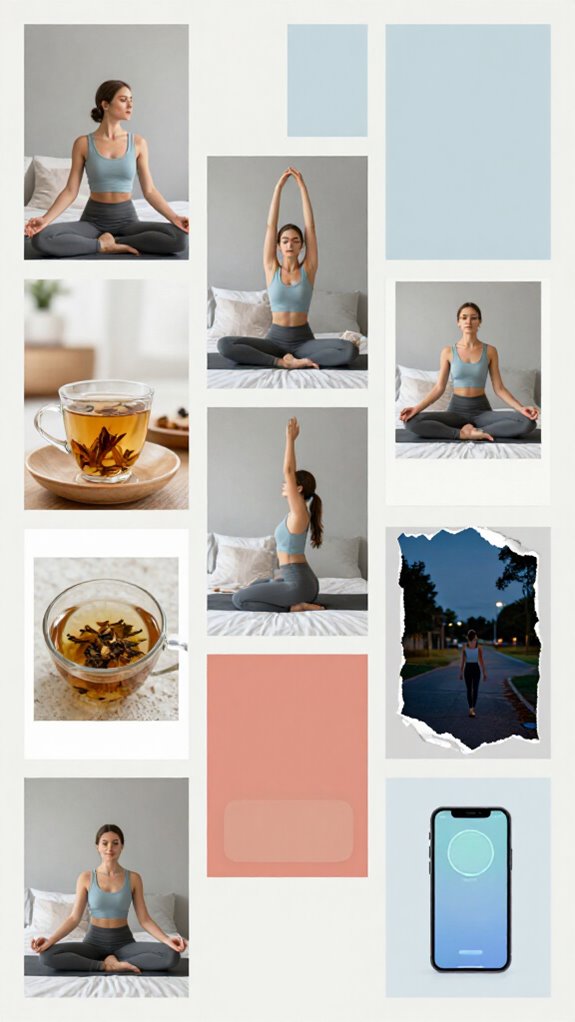
Simple pre-bed routines can meaningfully elevate sleep quality tonight by signaling the body to wind down and switch into recovery mode.
I’ll guide you with practical, evidence-based steps:
- pre bed yoga and calming stretches to reduce arousal
- mindfulness breathing and relaxation techniques for autonomic balance
- evening walks, sleep hygiene, and digital detox to reinforce bedtime rituals
Research supports consistent routines for sleep onset.
Build Your Sleep-Friendly Exercise Plan (Personalized for You)
A personalized sleep-friendly exercise plan begins with mapping your goals, chronotype, and daily schedule into a structured template that aligns training load with sleep-warm time.
I guide you to honor personal preferences and calibrate workout intensity, balancing recovery and performance.
Drawing on research from Neubauer and sleep science labs, we craft a practical framework you can implement with measurable milestones.
Late-Night Naps Lose Focus
Late-night naps may seem like a convenient fix for lingering fatigue, but they often undermine sleep quality and next-day focus.
- They increase late-night arousal, impairing circadian timing.
- They induce focus impairment the following afternoon due to rebound sleep inertia.
- They perpetuate late-night fatigue by fragmenting deep sleep cycles.
Trust researchers like Dr. Matthew Walker; prioritize consistency, timing, and shorter naps when necessary. Creating a truly restful bedroom environment with glass bead filling kits can further support healthy sleep patterns by improving comfort and temperature regulation.
Outings: Sleep-Boosting Devices Reviewed
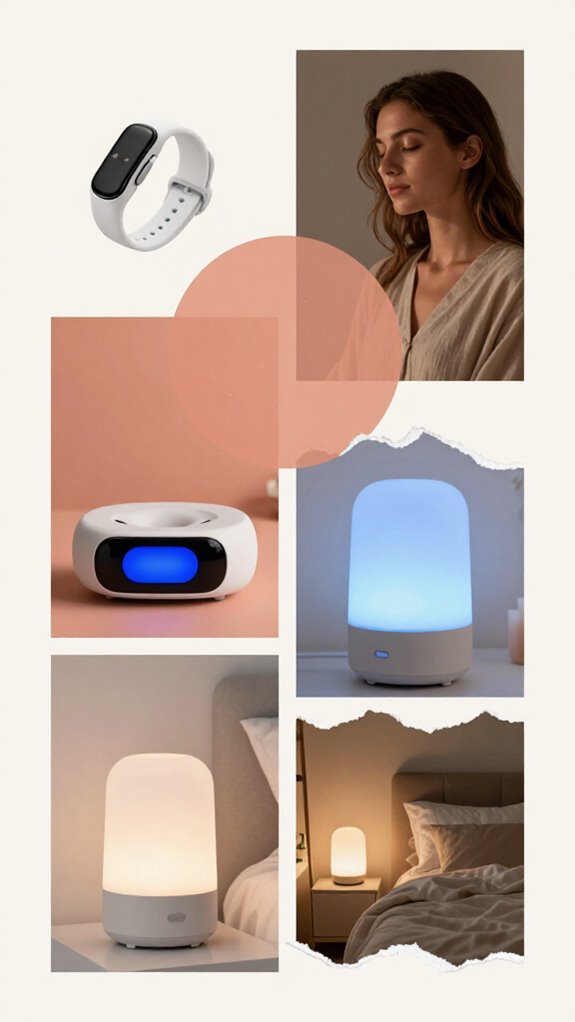
Outings often include wearable and bedside devices marketed to boost sleep, from white-noise apps and sleep trackers to light-therapy glasses and smartwatch refinements.
I assess sleep technology with careful skepticism, citing peer-reviewed studies and brands like Fitbit, Philips Hue, and Dreem.
Relaxation techniques, biofeedback, and circadian alignment are weighed, noting device limits, data privacy, and practical, credible implications for night routines.
Blue light filter lamps specifically designed for bedroom environments can significantly reduce melatonin suppression and support healthier sleep onset compared to standard lighting options.
For readers seeking to optimize their evening lighting environment, blue light blocking lamps remain a practical consideration beyond wearable devices.
Hyperbaric Sleep Benefits Discussed
Hyperbaric sleep benefits hinge on how increased ambient pressure interacts with brain and tissue oxygenation, a relationship researchers are mapping with increasing precision.
I’ll outline clear, controlled concepts:
- hyperbaric oxygen boosts recovery enhancement and sleep improvement via pressure therapy.
- Physiological effects include diffusion changes and circulation optimization supporting relaxation techniques.
- Evidence cites brands like OxyHealth and researchers such as Dr. Robert Wood, with cautious, credibility-based findings.
FAQ
Can Caffeine Consumption Affect Bedtime Exercise Timing?
Caffeine timing can shift bedtime; I notice it boosts workout intensity and delays sleep. I plan strategically, avoiding late doses, so I maintain control over recovery and bedtime. If I boost too late, rest suffers, mood declines.
Does Age Alter Optimal Pre-Bed Workout Limits?
Age factors do alter ideal pre-bed limits; I adjust exercise timing for you based on recovery impact, workout intensity, and sleep quality to preserve control over outcomes. The clock isn’t random, so I tailor to your needs, friend.
Do Warm Baths Substitute for Pre-Sleep Workouts?
A warm bath can substitute for pre-sleep workouts for some, but not all. I’ve found warm bath benefits include nighttime relaxation, though effort and consistency still matter for sleep quality, so I tailor routines to my goals.
How Long to Wait After a Meal Before Exercising at Night?
I’d wait 2–4 hours after a meal before night workouts, depending on meal size, to avoid discomfort and guarantee meal digestion; adjust workout intensity accordingly, keeping it moderate enough to respect digestion while preserving sleep quality.
Can Sleep Needs Change After Starting a New Exercise Routine?
Yes, sleep needs can change after starting a new routine, but it varies. I’m not joining a one-size-fits-all plan; it depends on sleep quality, exercise intensity, recovery time, and individual differences I respect.