

How To Nap Without Waking Up Groggy
Wake up refreshed by timing a light 15–30 minute smart nap, using darkness, alarms, and caffeine, so you avoid grogginess and unlock more tactics ahead.
How To Nap Without Waking Up Groggy Read Post »
Wake up refreshed by timing a light 15–30 minute smart nap, using darkness, alarms, and caffeine, so you avoid grogginess and unlock more tactics ahead.
How To Nap Without Waking Up Groggy Read Post »

Pursue an evidence-based clinician pathway—track symptoms, complete validated scales, rule out mimics, and get specialist tests—before you finally confirm official insomnia.
How To Get An Official Insomnia Diagnosis Read Post »

Tilt your sleep strategy: melatonin helps circadian misalignment with modest benefits, while prescription aids may work harder—yet carry tradeoffs worth considering next.
How to Choose: Melatonin vs Prescription Sleep Aids Read Post »
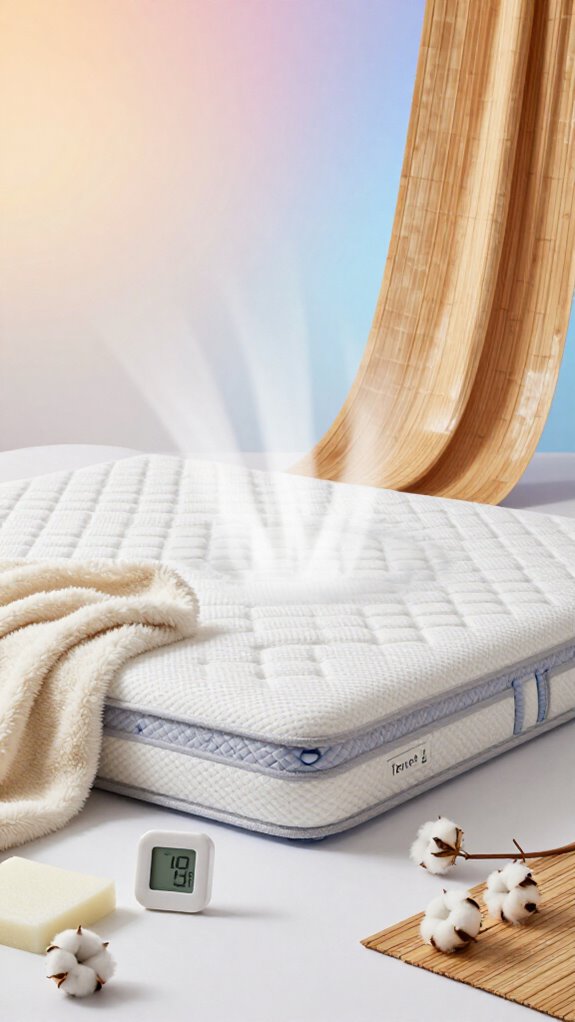
Gently compare breathable covers, moisture-wicking layers, and airflow-focused comfort systems to calm night sweats—yet which material details make the biggest difference for you?
How To Choose A Mattress For Night Sweats Read Post »

U**nderstand how to “stabilize” sleep timing and light exposure for rotating shifts—without forcing an overnight clock flip—and reduce disruption by reading on.
How To Adjust Your Body Clock For Rotating Shifts Read Post »

Breath-by-breath airway collapse during OSA fragments sleep and triggers hypoxemia, so daytime fatigue can improve—keep reading to learn how.
How Sleep Apnea Causes Daytime Fatigue (And Solutions) Read Post »

Toddlers typically need 11–14 total hours, with most near 10–12 at night plus naps—yet timing makes all the difference, so read on.
How Many Hours Should Toddlers Sleep Each Night? Read Post »

Overnight, school-age children need 9–12 hours of sleep for better learning and mood—yet many fall short, so keep reading to find what fits.
How Many Hours Do School-Age Children Need? Read Post »

S**upplement effects vary by absorption and targeted pathways, so “kicking in” can take days to months—keep reading to time your expectations.
How Long Until Your Supplement Kicks In? Read Post »

Master the perfect power nap length—aim for 10–20 minutes to boost alertness without grogginess, but what happens if you go longer?
How Long Should a Power Nap Be? Read Post »