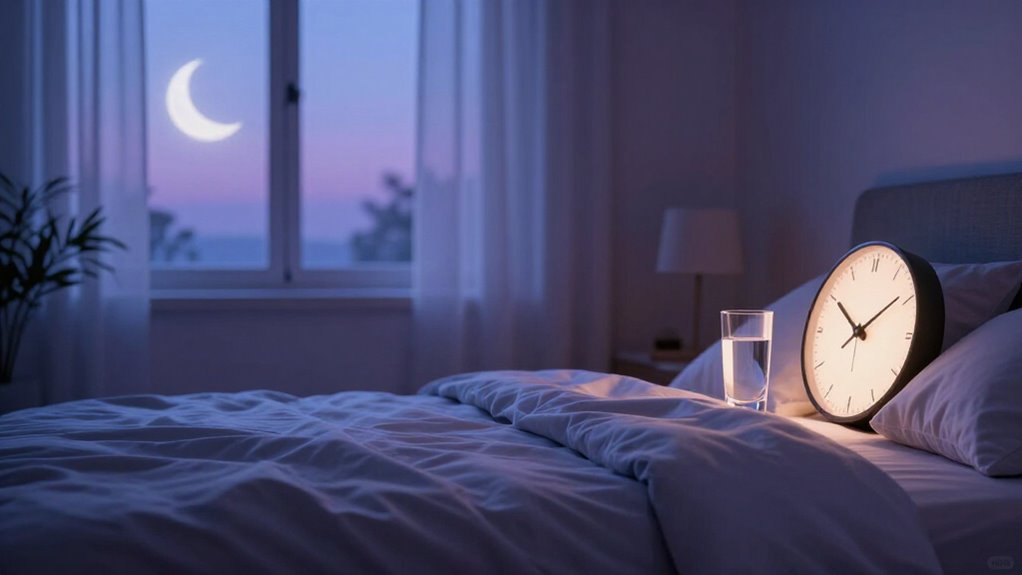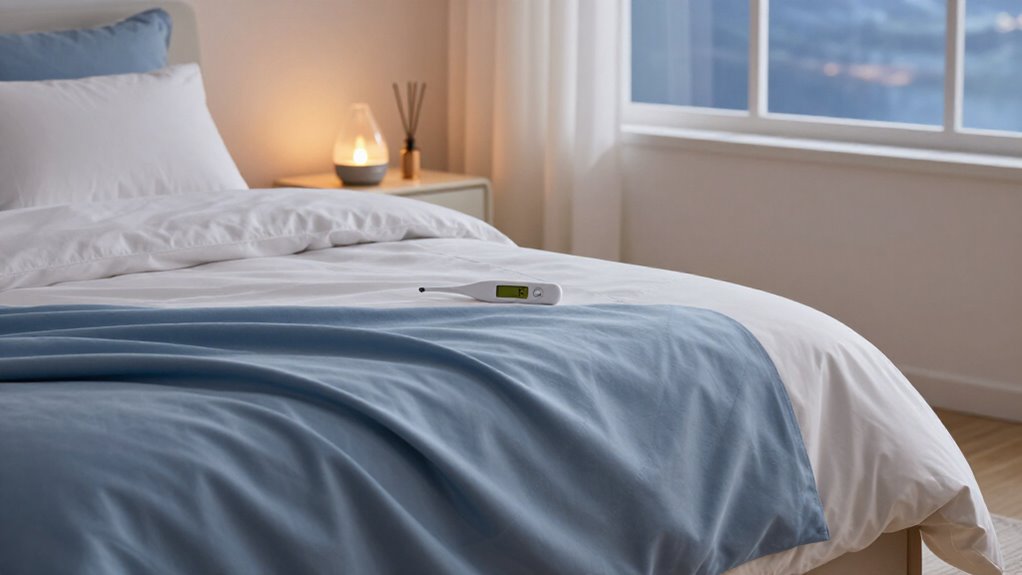
I used to toss and turn all night until I finally figured out my bedroom was way too warm. Honestly, it was a game-changer.
The sweet spot? Between 60–67°F. Sounds chilly, right? But here’s the thing—your body naturally cools down before sleep, and matching that vibe actually helps you drift off faster. I’m talking better sleep quality, fewer midnight wake-ups.
Every degree above 60°F? You’re losing sleep efficiency. Not ideal when you’re already exhausted. Older folks might vibe with 70–74°F though—totally valid.
This is where we at Corala Blanket come in. We’re all about creating those perfect sleep conditions. Pair a programmable thermostat set to 66–72°F with breathable bedding (think quality materials from Brooklinen or Parachute), and you’ve got something special. Add 40–60% humidity, and boom—you’re sleeping like you actually deserve to.
Temperature really does impact everything from deep sleep to REM cycles. Pretty wild how much this one factor matters, right?
Quick Takeaways
- Most adults sleep best at temperatures between 60–67°F, with each degree above 60°F reducing sleep efficiency by 0.06 percent.
- Older adults typically require warmer conditions of 70–74°F to support restorative sleep cycles and maintain cardiovascular stability.
- Use programmable thermostats to maintain consistent temperatures between 66–72°F and adjust seasonally based on personal comfort preferences.
- Maintain relative humidity levels between 40–60% and use breathable bedding to optimize your sleep microclimate without overheating.
- Combine temperature control with circulating fans and breathable materials to prevent hot spots and support natural nighttime cooling processes.
Why Your Body Gets Cooler When You Sleep

A natural cooling occurs in the human body as sleep approaches, driven by the brain’s internal timekeeping system and coordinated physiological changes. The suprachiasmatic nucleus, the brain’s circadian clock, orchestrates a reliable 2-hour pre-sleep temperature drop of approximately 1.3°C.
This temperature regulation process involves peripheral vasodilation, which increases skin surface area for heat loss, and reduced metabolic heat production from behavioral quiescence. Melatonin production parallels this core temperature reduction, signaling the body’s readiness for sleep. While temperature changes drive sleep onset, relative humidity levels in your bedroom environment also significantly impact how effectively your body can release heat and maintain comfort throughout the night. Research on sleep quality and naps suggests that maintaining optimal bedroom temperature becomes even more critical for those who nap during the day, as the body’s thermoregulatory system must reset properly for nighttime sleep cycles.
The circadian rhythm maintains these 24-hour temperature cycles consistently, even during bed rest. As hands and feet warm relative to the abdomen, skin temperature equilibrates, marking sleep onset. During REM sleep, the brain subsequently reheats itself through thermostatically controlled mechanisms that prevent the brain from becoming dangerously cold.
This coordinated cooling mechanism represents a fundamental mammalian sleep process essential for energy homeostasis and recovery.
The Ideal Temperature Range for Better Sleep
Understanding how the body naturally cools before sleep provides the foundation for setting an ideal bedroom climate.
Research involving 3.75 million nights across 34,096 individuals reveals most people sleep in rooms averaging 68.8–76.2°F, often above recommended ranges.
Sleep experts recommend these temperature preferences:
- General adults benefit from 60–67°F, supporting stable REM sleep and cognitive restoration.
- Older adults show improved heart efficiency at approximately 75°F, though individual variation exists.
- Bed climate itself should reach 86–91°F with proper bedding, creating a microclimate independent of room temperature.
Data demonstrates that each degree above 60°F reduces sleep efficiency by 0.06 percent. A cooler bedroom environment is particularly important because fragmented sleep and frequent awakenings occur when the sleeping environment is too warm.
Higher temperatures shorten total sleep time by 0.45 minutes per degree while increasing time to fall asleep.
Appropriate bedroom climate substantially influences sleep quality and overall rest.
How Sleep Efficiency Drops With Heat
Why does heat disturb sleep more profoundly than other environmental stressors? Thermal load—the body’s accumulated heat burden—suppresses the natural core temperature drop essential for quality sleep. This physiological disruption reduces total sleep time while increasing wakefulness duration. Cooler environments facilitate the body’s natural heat dissipation process, allowing core temperature to decline efficiently and promoting faster sleep onset.
Research shows a 10°C nighttime temperature increase correlates with 2.63 minutes of lost sleep per night, with effects amplified by humidity.
Heat triggers multiple sleep disturbances: elevated skin temperature and sweat loss interfere with the body’s heat-loss mechanisms, particularly during initial sleep stages.
Humid heat proves especially damaging, decreasing deep sleep and REM stages while increasing nighttime wakefulness. Just as caffeine suppresses deep sleep stages by interfering with adenosine receptors and reducing slow-wave activity, excessive heat similarly compromises restorative sleep architecture through distinct but equally disruptive physiological pathways.
The Best Temperature for Older Adults
Older adults face distinct challenges in regulating sleep temperature, as the body’s natural thermoregulation mechanisms decline with age. This diminished capacity makes temperature preferences and heat sensitivity increasingly important considerations for quality rest.
Research indicates ideal sleeping conditions for seniors involve:
- Bedroom temperatures between 70-74°F for deep, restorative sleep cycles
- Nighttime ranges of 65-70°F to support the body’s natural cooling process
- Consistent temperature maintenance through programmable thermostats across seasons
Seniors experience reduced ability to sense and adapt to temperature fluctuations, making environmental control essential.
Heat exposure elevates heart rate and cardiovascular stress—temperatures above 79°F increase heart rate variability disruption in older adults. Conversely, overly cool rooms trigger frequent awakenings.
Individual differences remain substantial, requiring personalized adjustments. Maintaining appropriate bedroom temperatures directly supports both sleep quality and cardiovascular health in aging populations.
Find Your Ideal Sleep Temperature
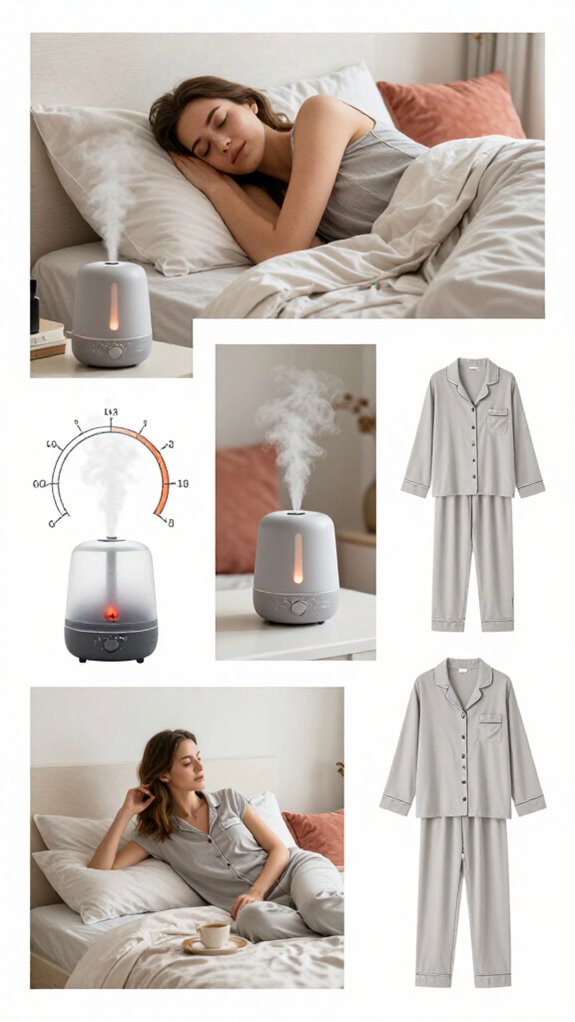
Because the body’s natural cooling process is essential for restorative sleep, finding the right bedroom temperature requires understanding how personal factors interact with environmental conditions. Creating a premium cozy bedroom environment helps support this natural thermoregulation process.
Research from 34,096 individuals across 68 countries demonstrates considerable between-individual differences in suitable temperatures. Life stage, body size, and menopause status greatly influence comfort levels.
The National Sleep Foundation recommends 60°F to 67°F, though studies show ranges between 55°F to 73°F produce consistent sleep quality with proper bedding.
Personal preferences matter considerably—some sleepers thrive at cooler settings while others require warmer environments.
Seasonal adjustments prove equally important; bedroom temperatures may need modification during summer and winter months.
Experimenting within recommended ranges while monitoring sleep quality helps individuals identify their specific ideal temperature, enhancing overall rest and recovery.
Adding cool mist humidifiers to your bedroom can further optimize the sleep environment by maintaining proper moisture levels that complement your ideal temperature setting.
Avoid These Common Temperature Mistakes
While identifying an ideal sleep temperature represents a significant step toward better rest, many individuals unknowingly sabotage their efforts through everyday habits that destabilize bedroom conditions.
Common mistakes undermine thermal stability. Consider these problematic practices:
- Running heating systems aggressively at night, pushing bedroom temperatures above the perfect 65-70°F range and preventing the body’s natural cooling process necessary for sleep onset.
- Layering excessive bedding materials that trap heat, forcing the body to work harder at thermoregulation while disrupting REM and slow-wave sleep.
- Installing inadequate bedroom insulation through poor window coverings that permit drafts and temperature fluctuations.
Additionally, blocked heating vents create uneven warmth distribution, while non-breathable bedding materials trap excess heat.
Dirty vents reduce system efficiency. These collective habits prevent the stable, cool environment sleep requires, leaving individuals caught in cycles of restlessness and fragmented rest. Incorporating a luxury humidifier can further optimize bedroom conditions by maintaining optimal humidity levels that support better sleep quality. For those seeking quiet nights, a premium cool mist humidifier can complement temperature control by adding gentle moisture without disruptive noise.
How to Lower Your Bedroom Temperature
Numerous practical strategies can systematically reduce bedroom temperature without requiring expensive air conditioning systems or major renovations.
Room cooling techniques begin with blocking sunlight through closed blinds and curtains during daylight hours, which prevents solar heat absorption. Placing ice containers behind fans creates cooler airflow circulation, while oscillating fans distribute air more effectively than stationary models.
For direct body cooling, nighttime hydration with cool water helps regulate internal temperature. Pre-sleep cooling methods include lukewarm showers, which paradoxically lower core body temperature through post-shower perspiration.
Freezing pillowcases or sheets for 10-15 minutes provides initial coolness during sleep onset. Switching from heat-trapping memory foam to breathable materials like cotton or bamboo bedding further supports temperature regulation.
These evidence-based cooling techniques collectively address the fact that every 1°F temperature increase reduces sleep efficiency by 0.06%. Avoiding alcohol before bedtime is equally important, as it disrupts thermoregulation and fragments sleep architecture despite its initial sedative effects.
Keep Temperature Stable All Night
Implementing cooling strategies represents only half the battle; maintaining a stable temperature throughout the night proves equally important for sleep quality. Nighttime fluctuations disrupt the body’s natural temperature regulation, which relies on a steady decline in core body temperature during sleep initiation.
Research shows that inconsistent bedroom conditions impair sleep cycles and increase wake after sleep onset. For those seeking optimal climate control, smart thermostats offer precise temperature management tailored for sleep environments.
Maintaining stability requires:
- Programmable thermostats that sustain 66-72°F consistently without peaks and valleys
- Breathable bedding layers that adapt to seasonal changes while preserving bed climate at 32-34°C
- Fans positioned to circulate air evenly, preventing hot spots across the sleeping area
Relative humidity between 40-60% further stabilizes the sleep environment.
These combined measures support the body’s thermoregulatory mechanisms throughout the night, enabling sustained sleep efficiency.
Deep Pressure Stimulation Activates Parasympathetic Nervous System

Deep pressure stimulation—the application of firm yet gentle pressure across the body—triggers the parasympathetic nervous system, the body’s rest-and-digest mode that counteracts stress responses. This activation produces a measurable calming effect by stimulating touch receptors throughout the skin, signaling safety to the nervous system.
Research demonstrates concrete physiological shifts during deep pressure stimulation. Heart rate and blood pressure decrease as the body shifts from sympathetic fight-or-flight activation. Simultaneously, cortisol levels drop by 31 percent while serotonin increases by 28 percent, creating ideal conditions for relaxation and sleep preparation. The velvet texture of premium weighted blankets enhances this sensory experience by providing additional tactile comfort that promotes deeper relaxation.
Weighted blankets and strategic bedding layers provide consistent deep pressure throughout the night, supporting this parasympathetic activation.
This mechanism proves particularly effective for individuals managing anxiety, insomnia, and ADHD, fostering the grounded feeling essential for restorative sleep.
Luxury weighted blankets designed specifically for anxiety relief distribute pressure evenly across the body, maximizing the therapeutic benefits of deep pressure stimulation throughout sleep.
FAQ
What Does the World Health Organization Recommend as Minimum Bedroom Temperature?
The World Health Organization recommends maintaining bedrooms at 18°C (64°F) minimum, with an ideal temperature range of 18-24°C for adults. This threshold provides significant health benefits, including improved respiratory function and better sleep quality.
For vulnerable populations—elderly individuals, children, and those with chronic conditions like COPD—temperatures of 20-21°C offer enhanced protection.
The Lullaby Trust suggests 16-20°C for infants to reduce health risks.
How Much Does Sleep Efficiency Decrease for Each Degree Fahrenheit Increase?
Research demonstrates that sleep quality and temperature regulation are closely linked, though the background materials don’t specify an exact percentage decrease per degree Fahrenheit.
Studies involving thousands of participants show measurable sleep efficiency declines at progressively warmer temperatures beyond 60°F. The relationship appears incremental rather than linear, with significant degradation occurring above ideal ranges of 60–67°F, suggesting individual sensitivity varies considerably across populations.
Are There Significant Differences in Optimal Temperature Between Individuals?
Yes, substantial variations exist among individuals. Research analyzing over 3.75 million nights of sleep across 34,096 participants revealed that personal comfort and sleep preferences differ dramatically.
Adults aged 65 and older, for instance, showed ideal sleep at 75°F, considerably warmer than younger populations’ preferences. Griffith University’s findings demonstrate that individual vulnerability to temperature changes increases with age, requiring customized thermal environments rather than universal recommendations for enhanced sleep quality.
What Temperature Range Is Specifically Recommended for Older Adults?
Research recommends 68 to 77 degrees Fahrenheit for older adults’ bedrooms, with 75°F providing ideal senior comfort and health concerns mitigation.
This range supports natural circadian rhythms and body cooling necessary for restorative sleep. Temperatures above 77°F reduce sleep efficiency by 5-10% and increase cardiovascular strain.
Below 68°F, reduced thermoregulation in aging populations causes discomfort. Individual preferences vary, requiring personalized adjustments within this evidence-based framework.
How Does Ambient Temperature Affect Sleep Onset Latency and Wake Duration?
Ambient temperature directly influences sleep onset and wake duration through temperature regulation mechanisms.
Heat above 75°F delays sleep onset by 15-30 minutes and increases nighttime awakenings by 0.11 minutes per degree. Cold below 60°F similarly fragments sleep and prolongs wakefulness.
The thermoneutral range of 25-28°C optimizes sleep architecture, keeping onset latency under ten minutes while minimizing disruptions.
Temperature stability enables the core body temperature drop necessary for sleep initiation.
References
- https://www.marcusinstituteforaging.org/news/optimal-sleep-temperature-seniors-between-68-77-degrees-fahrenheit-study-reveals
- https://academic.oup.com/sleep/article-abstract/43/Supplement_1/A464/5847198
- https://www.psychologytoday.com/us/blog/the-modern-brain/202503/the-key-role-of-temperature-in-sleep-quality
- https://www.sciencedaily.com/releases/2026/02/260210040625.htm
- https://pubmed.ncbi.nlm.nih.gov/37474050/
- https://health.clevelandclinic.org/what-is-the-ideal-sleeping-temperature-for-my-bedroom
- https://www.uclahealth.org/departments/neurology/alon-avidan-md-mph-whats-best-temperature-sleep
- https://pmc.ncbi.nlm.nih.gov/articles/PMC8648527/
- https://www.uclahealth.org/news/release/ucla-study-links-length-rem-sleep-body-temperature
- https://www.frontiersin.org/journals/neuroscience/articles/10.3389/fnins.2019.00336/full
- https://www.empowersleep.com/articles/the-role-of-temperature-in-regulating-sleep-and-circadian-rhythms
- https://blog.ultrahuman.com/blog/role-of-thermoregulation-in-sleep/
- https://pubmed.ncbi.nlm.nih.gov/30454599/
- https://pmc.ncbi.nlm.nih.gov/articles/PMC7323637/
- https://sleepeducation.org/sleep-deprivation-disrupts-regulation-body-heat/
- https://sleepopolis.com/education/thermoregulation-sleep/
- https://www.eightsleep.com/blog/the-basics-temperature-regulation-and-finding-your-pod-temperature/
- https://www.sleepfoundation.org/sleep-news/bedroom-temperatures-and-bedding-choices-affect-sleep
- https://www.powershealth.org/about-us/newsroom/health-library/2026/02/12/why-bedroom-temperature-matters-more-for-sleep-as-we-age
- https://pmc.ncbi.nlm.nih.gov/articles/PMC3427038/