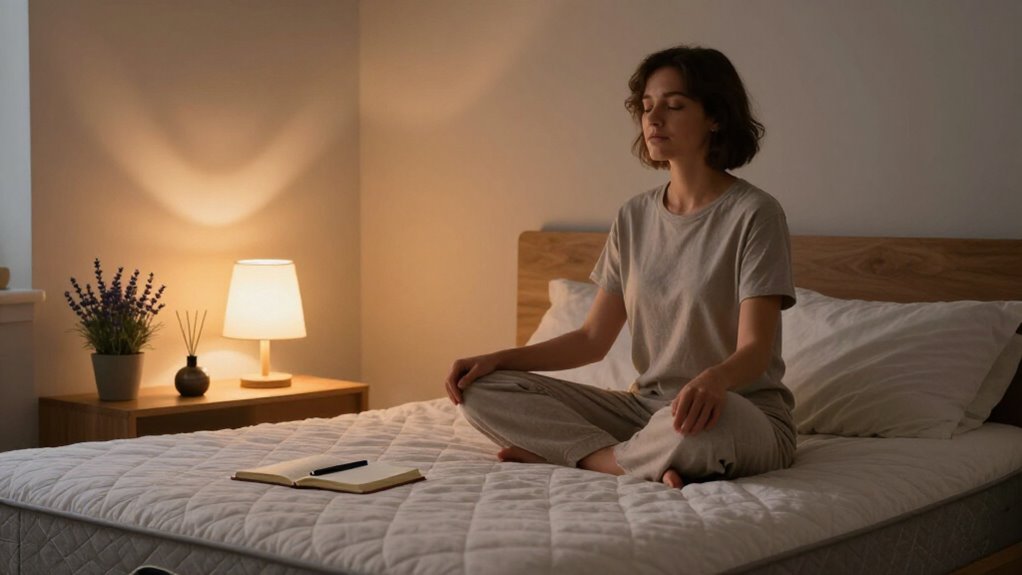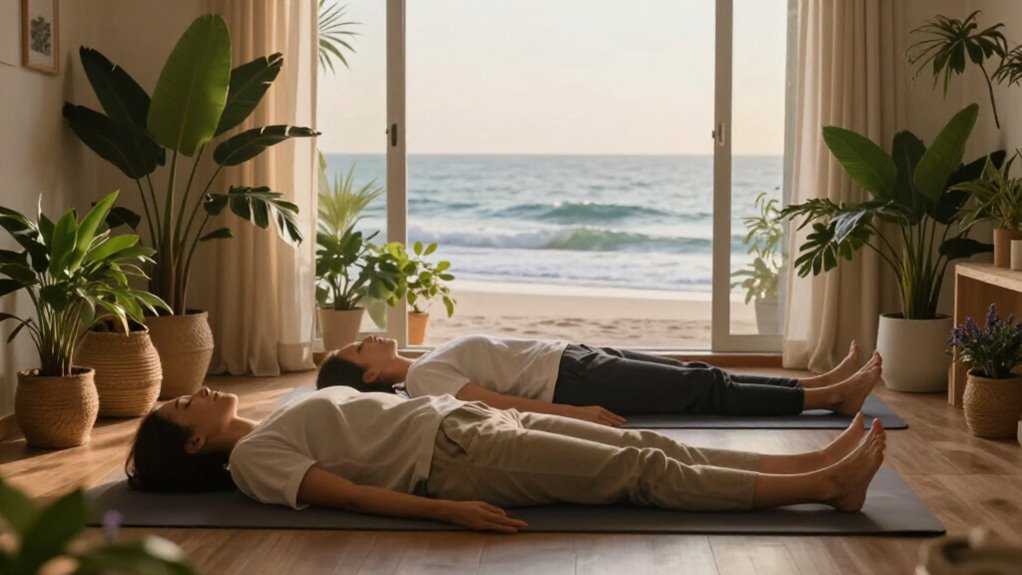
I used to toss and turn every night, honestly feeling pretty desperate for better sleep. Then I discovered bedtime yoga, and let me tell you—it changed everything.
Child’s Pose and Legs-Up-the-Wall? These poses literally calm my nervous system down. I’m talking real, tangible relaxation that actually helps me drift off.
Here’s what happens: gentle twists release the tension I didn’t even know I was holding. Forward folds bring me into deep breathing. My body finally gets it—it’s time to wind down.
At Corala Blanket, we’re serious about this stuff. We know quality sleep matters. That’s why pairing these poses with weighted blankets (hello, premium comfort brands like Brooklinen) creates this perfect sleep recipe.
Sure, melatonin production increases and my circadian rhythm stabilizes, but honestly? The emotional shift is what gets me. That quiet surrender into Savasana—that’s where the magic lives.
Ever felt your whole day melt away in one pose?
Quick Takeaways
- Yoga nidra, child’s pose, legs-up-the-wall, and corpse pose can induce deep relaxation and activate the parasympathetic nervous system.
- Gentle twists and backbends like supine spinal twist can release physical and mental blockages, lower heart rate, and improve sleep quality.
- Seated forward fold, legs-up-the-wall, and child’s pose promote deep breathing, mindfulness, and feelings of safety and comfort.
- Consistent sleep-wake patterns and weighted blankets can support natural circadian rhythms and enhance relaxation.
- Savasana (corpse pose) leads to total physical and mental relaxation, promoting restorative sleep and stress reduction.
The Benefits of Bedtime Yoga for Sleep and Relaxation
While many people struggle with insomnia or difficulty falling asleep, incorporating bedtime yoga poses into one’s routine can provide significant benefits for improving sleep quality and promoting deeper relaxation.
Bedtime yoga, which emphasizes gentle stretches and mindful breathing, has been shown to enhance sleep quality by promoting mindfulness and reducing stress and anxiety. Clinical studies indicate that practicing bedtime yoga can increase melatonin production, regulate the circadian rhythm, and activate the parasympathetic nervous system, thereby enhancing the body’s natural relaxation response. For those seeking better sleep, pairing your yoga routine with foods that promote sleep can further support melatonin production and relaxation.
For those seeking better sleep, incorporating restorative bedtime yoga poses can be a powerful tool.
Restorative Bedtime Yoga Poses to Unwind Your Body
To unwind the body for deep relaxation, several restorative bedtime yoga poses can be particularly beneficial.
Yoga nidra, a form of guided meditation, can induce a state of deep relaxation and consciousness.
Gentle asanas like Child’s Pose, Legs-up-the-Wall, and Corpse Pose promote mindful breathing and stimulate the parasympathetic nervous system for rest and digest functions.
Incorporating these soothing postures into a pre-bedtime routine can cue the body to shift from stress to serenity.
Pairing your yoga practice with calming bedroom essentials creates an optimal environment for restful sleep and deep relaxation.
Gentle Twists and Backbends to Relieve Stress
Gentle twists and backbends can alleviate built-up stress and tension in the body and mind.
Restorative yoga poses like Supine Spinal Twist and Supported Backbend encourage the release of physical and mental blockages.
The gentle, fluid motions stimulate the parasympathetic nervous system to lower heart rate and blood pressure, promoting relaxation.
Studies by Stanford University researchers have shown that just 15 minutes of mindful twisting and arching can reduce anxiety and improve sleep quality.
Incorporating these soothing backbends and gentle twists into a bedtime routine can facilitate a smooth passage into restful sleep.
Just as temperature preferences can create tension between sleep partners, finding the right balance in your yoga practice ensures both body and mind remain comfortable for optimal relaxation.
Seated Forward Fold for Calming the Mind
The Seated Forward Fold, also known as Paschimottanasana, is a calming and introspective yoga pose that can help quiet the mind before bedtime.
This pose encourages mindfulness techniques by directing attention inward and promoting deep breathing exercises.
Sitting with the legs extended, the practitioner folds forward, bringing the torso towards the thighs. This gentle backbend elongates the spine and stimulates the parasympathetic nervous system, inducing a state of relaxation.
Research shows this pose can lower blood pressure, heart rate, and cortisol levels, making it an effective bedtime ritual for reducing stress and anxiety.
Legs-Up-the-Wall Pose for Deep Relaxation
Legs-Up-the-Wall Pose, or Viparita Karani, is a profoundly relaxing yoga posture that can help ease the body and mind before bedtime.
In this inversion, the legs are elevated against a wall, allowing gravity to gently pull blood and lymph back toward the heart and head. This reversal of blood flow enhances circulation and drainage, reducing swelling in the lower extremities.
The inverted position also relaxes the nervous system, promoting deep breathing and mental calm. Research shows Legs-Up-the-Wall Pose can lower blood pressure, relieve stress, and induce a meditative state ideal for shifting into restful sleep.
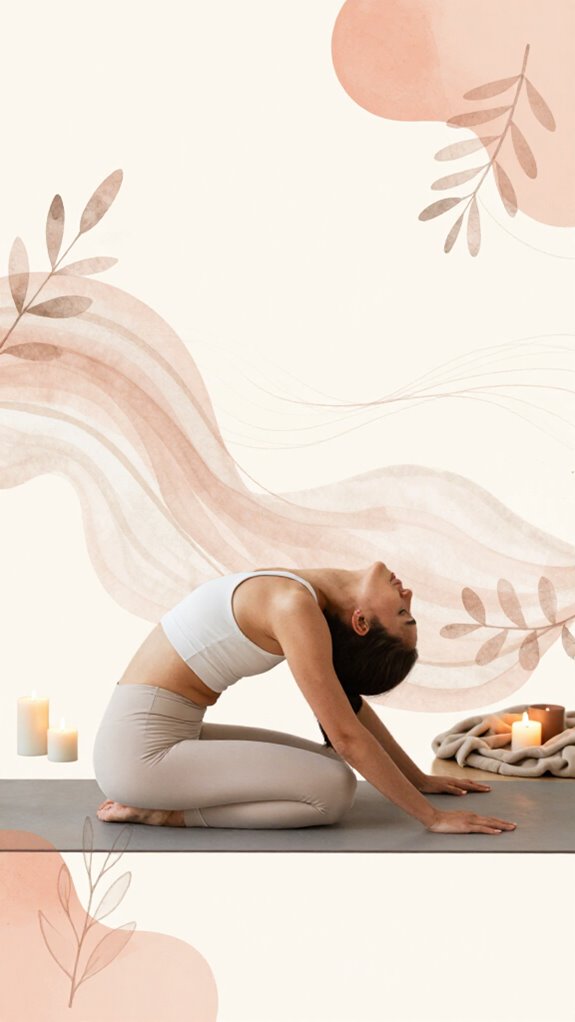
Child’s Pose to Release Tension
Child’s Pose, or Balasana, is a gentle yet profound yoga asana that can effectively release tension in the body and mind.
This restorative pose encourages the practitioner to turn inward, cultivating a mindfulness practice as they fold the torso between the thighs and rest the forehead on the mat. The weight of the head and elongation of the spine work to ease muscular tightness, while the supported, cocooned position promotes feelings of safety and comfort.
Research by yoga experts like Judith Lasater demonstrates the benefits of Child’s Pose for stress reduction and relaxation before bedtime.
Savasana (Corpse Pose) for Total Body Relaxation
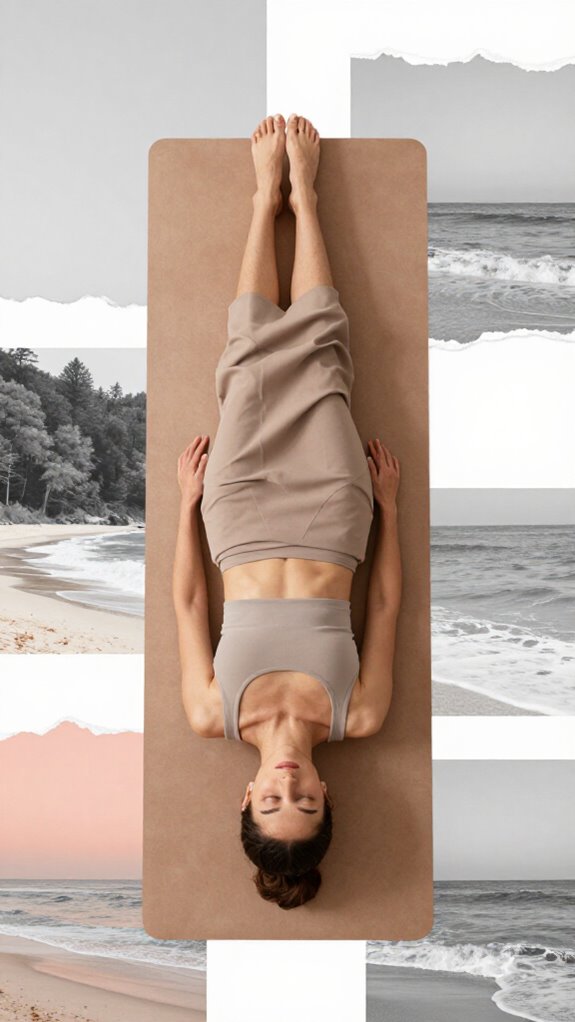
Savasana, or Corpse Pose, represents the quintessential resting posture in yoga, enabling a state of total physical and mental relaxation.
The benefits of savasana include:
- Decreased heart rate and blood pressure for cardiovascular restoration.
- Reduced muscle tension and nervous system activation for deep rest.
- Enhanced focus and mindfulness through guided breathwork and visualization.
Savasana leverages relaxation techniques like progressive muscle relaxation and breath counting to induce the parasympathetic response.
Research from organizations like the American College of Sports Medicine validates savasana’s efficacy for alleviating stress and promoting restorative sleep.
This “final resting pose” is an essential component of any well-rounded bedtime yoga practice.
Circadian Rhythm Regulates Sleep-Wake Cycle
The human body’s internal circadian rhythm plays a crucial role in regulating the sleep-wake cycle. This intrinsic timekeeping system aligns biological functions with the 24-hour day-night cycle, cueing hormonal changes that promote wakefulness or sleepiness.
Environmental factors like light exposure also influence circadian factors and sleep hygiene. When this rhythm becomes disrupted, it can lead to insomnia, fatigue, and other health issues.
Experts recommend maintaining consistent sleep-wake patterns and limiting screen time before bed to support the body’s natural circadian rhythms for maximum rest and daytime alertness.
Weighted Blankets Promote Deeper Sleep
Weighted blankets have emerged as a popular tool for promoting deeper, more restorative sleep.
These therapeutic blankets utilize gentle pressure to induce a calming, soothing effect, akin to the sensation of being hugged or held. This gentle pressure also helps activate the vagus nerve, which plays a crucial role in shifting the body into a parasympathetic “rest and digest” state.
The key benefits of weighted blankets include:
- Improved sleep quality: The consistent, evenly distributed weight of the blanket helps reduce tossing and turning, allowing the body to achieve a more restful state.
- Reduced anxiety and stress: The deep pressure touch stimulation promotes the release of serotonin and dopamine, hormones that alleviate feelings of anxiety and depression.
- Enhanced relaxation: Weighted blankets create a cocooning effect that can trigger the body’s natural relaxation response, leading to deeper, more rejuvenating sleep.
FAQ
Can I Do Bedtime Yoga in Bed?
Yes, bedtime yoga can be performed in bed. Yoga modifications for the bedtime environment allow for deep relaxation and restorative poses while still providing the power of a yoga practice.
Is Bedtime Yoga Safe for People With Injuries?
The warrior must be ever-vigilant, for the battle rages on even in slumber. Bedtime yoga, with its wise yoga modifications and focus on injury prevention, can be a powerful ally in the fight for restful repose.
How Long Should a Bedtime Yoga Session Be?
Bedtime yoga sessions should typically last 15-30 minutes, allowing adequate time for the body and mind to fully unwind and enter a state of deep relaxation. Longer session timing may be counterproductive, depleting energy levels before sleep.
Can I Do Bedtime Yoga Before Work?
Doing bedtime yoga before work releases superhuman flexibility, vanquishing workday stress. Morning yoga sessions provide a potent energizing boost to conquer the day’s challenges.
Is Bedtime Yoga Effective for Insomnia?
Bedtime yoga can be an effective restorative practice to improve sleep hygiene and manage insomnia. The relaxing poses and controlled breathing promote a calming mindset conducive to quality rest and rejuvenation.