Ever tried to sleep while your brain hosts a TED Talk at 2am? Yeah, same.
My ADHD used to turn bedtime into a wrestling match with my own thoughts. I’d stare at the ceiling, mentally reorganizing my grocery list from 2019. Turns out, my arousal was cranked to eleven and my melatonin had ghosted me—thanks, endless scrolling.
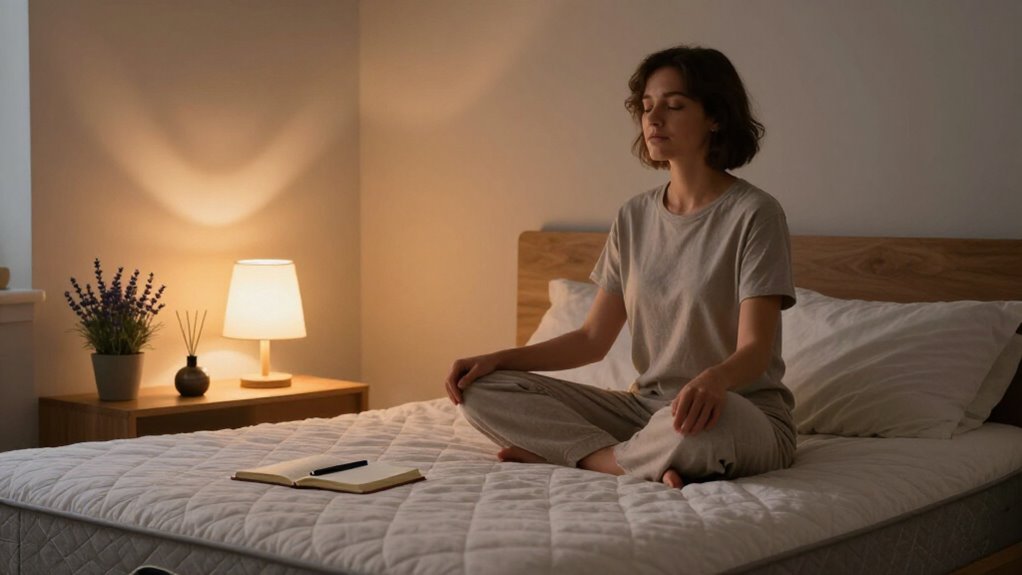
Here’s the fix that actually stuck: 20 minutes of dim lights, lazy stretches, and box breathing that I definitely didn’t master overnight. Blue-light filters, a hardcore electronic curfew, and white noise became my ride-or-dies. Body scans, visualization, even dream journaling with terrible doodles—whatever anchors the chaos.
Brands like Casper and researchers at Stanford Sleep Medicine Center back the personalization angle. Sleepmaxxing is trending hard for 2026—think data-driven rituals, not just chasing eight hours.
At Corala Blanket, we’re all about better sleep without the BS. What’s your brain yelling about tonight?
Quick Takeaways
- Create a consistent bedtime routine that pairs calming activities with dim lighting to align your body clock.
- Use auditory masking (white noise or nature sounds) to reduce environmental disruptions and racing thoughts.
- Practice concrete attention anchors (breathing, grounding, or body scan) to stabilize focus before sleep.
- Limit evening screen time; apply blue-light filters and establish an electronic curfew to protect melatonin.
- Journal briefly or sketch dreams/journaling memories to process thoughts and ease mental chatter before sleep.
Why ADHD Racing Thoughts Happen at Night (and Quick Ways to Calm Them)
Nighttime ADHD racing thoughts arise from a mix of cognitive and physiological processes that clash with the body’s winding-down rhythms. Evening exposure to screens and artificial lighting can further disrupt this process, as blue light suppresses melatonin, the hormone critical for sleep onset, making it harder for the ADHD brain to transition into rest.
I explain how nighttime distractions, anxiety triggers, and mental chatter escalate physiologic arousal, while stress relief strategies from research labs—like sleep hygiene and cognitive-behavioral understanding—offer credibility.
This grounded view references Rivkin and APA findings, delivering practical, controlled guidance.
Additionally, incorporating auditory masking techniques, such as white noise, can help neutralize environmental disruptions and create a more consistent sensory backdrop for sleep onset.
Build a Nightly Wind-Down That Actually Helps ADHD Sleep
A practical nightly wind-down begins with a predictable sequence that synchronizes neurochemical rhythms with your circadian clock.
I guide you through nightly rituals, sleep hygiene, and a deliberate bedtime routine, pairing calming exercises with ambient lighting.
I guide you through nightly rituals and a calming, ambient-light bedtime routine.
Sensory experiences frame evening meditation and aromatherapy benefits, while gentle stretching anchors your nervous system.
This framework supports disciplined routines and measurable improvements in ADHD sleep quality.
High-quality sleep architecture can be further enhanced by incorporating binaural beats technology into your wind-down sequence, creating precisely calibrated soundscapes that guide brainwave states toward deep rest.
Aesthetic sleep trackers offer another layer of support by providing visual feedback on your rest patterns, making the invisible process of sleep tangible and motivating consistent habits.
Simple Mindfulness Techniques to Quiet a Busy ADHD Mind
Mindfulness techniques for a busy ADHD mind center on concrete attention anchors rather than vague mindfulness fantasies.
Earthing methods such as walking barefoot on grass or using grounding sheets before bed can also help discharge excess mental energy and prepare the nervous system for rest.
I guide you with breathing exercises, visualization techniques, sensory grounding, gratitude practice, progressive relaxation, focused attention, mindful observation, and body scan.
This approach reflects evidence from researchers like Jon Kabat-Zinn and researchers at CHADD. It emphasizes calm, structured steps, measurable progress, and reliable, reproducible routines.
Set Tech Boundaries That Protect Your Sleep

Building on the mindful routines from the previous section, I’ll help you enforce practical tech boundaries that safeguard your sleep.
Cultivate tech boundaries that protect sleep with mindful routines and device-free nights.
- digital detox routines, screen schedule discipline, and bedtime apps to time-limit access
- manage tech interruptions, mute sleep notifications, and establish electronic curfews for consistency
- design a device free night routine, prioritizing rest, autonomy, and predictable cues supported by research from sleep experts and brands
Evening screen exposure suppresses melatonin production, the hormone that regulates your sleep-wake cycle, making it harder to fall asleep and reducing sleep quality throughout the night.
However, research shows that blue light filters alone may not significantly improve sleep quality, so combining them with other boundary-setting strategies is essential.
Optimize Your Sleep Environment for ADHD Comfort
Three concrete steps can make a big difference: optimizing your sleep environment for ADHD comfort involves targeting sensory input, temperature, and layout to reduce cognitive clutter. For those with ADHD, a cooler bedroom can be especially beneficial, as temperature regulation often plays a key role in calming the nervous system and preparing the mind for rest.
I’ll guide you through color palette choices, sensory elements, room temperature control, noise control, bedding choices, lighting options, and comfort items, plus calming scents, drawing on brands like Brookstone and researchers like Dr. Lisa M. O’Neill for credibility. Research indicates that maintaining an ideal bedroom temperature significantly improves sleep quality by promoting deeper, more restorative rest.
ADHD-Supporting Diet, Hydration, and Supplements
A pragmatic approach to ADHD support begins with what you put in your body and how you hydrate, because nutrients and fluids directly influence neural signaling, attention, and restfulness.
A practical ADHD-support mindset starts with nutrition, hydration, and balanced routines.
- nutrient timing, focusing on balanced meals and strategic carbs for steady energy
- hydration balance, using electrolyte-containing fluids to maintain cognitive function
- supplement synergy, aligning zinc, magnesium, and omega-3 with evidence-based dosing
Dietary impacts guide your control.
When to Seek Professional Help for Sleep Struggles

If sleep struggles persist despite routine adjustments, it’s prudent to consult a professional rather than rely on trial-and-error fixes alone.
I’ll weigh sleep disorders, therapy options, and medication management, plus cognitive strategies, holistic approaches, and lifestyle changes.
Consider relaxation techniques, sleep hygiene, and behavioral therapy; explore support groups.
Researchers like Dr. Matthew Walker validate these methods, with evidence guiding tailored plans.
Cognitive Behavioral Therapy for Insomnia offers a structured, evidence-based approach that directly addresses the thought patterns and behaviors perpetuating sleeplessness, making it particularly relevant when ADHD-related racing thoughts complicate rest.
First-Ever 2026 Sleep Trend
What exactly is shaping the first-ever Sleep Trend of 2026, and how will it redefine nighttime routines? I’ll present a grounded view: researchers flag neuroergonomics and circadian-optimized environments as core drivers, shaping bedtime rituals and calming sounds into structured programs. Smart lighting systems promote healthier sleep-wake cycles by naturally regulating melatonin production throughout the evening. Smart clocks serve as centralized hubs that coordinate these environmental cues with personalized sleep schedules.
This trend emphasizes predictability, measurable outcomes, and brand-backed protocols to reduce cognitive arousal before sleep.
- Emphasized routine consistency with digital-prompted cues
- Calibrated soundscapes and gentle audio pacing
- Data-backed personalization from sleep-tech brands and labs
Soothing Weighted Blanket Picks

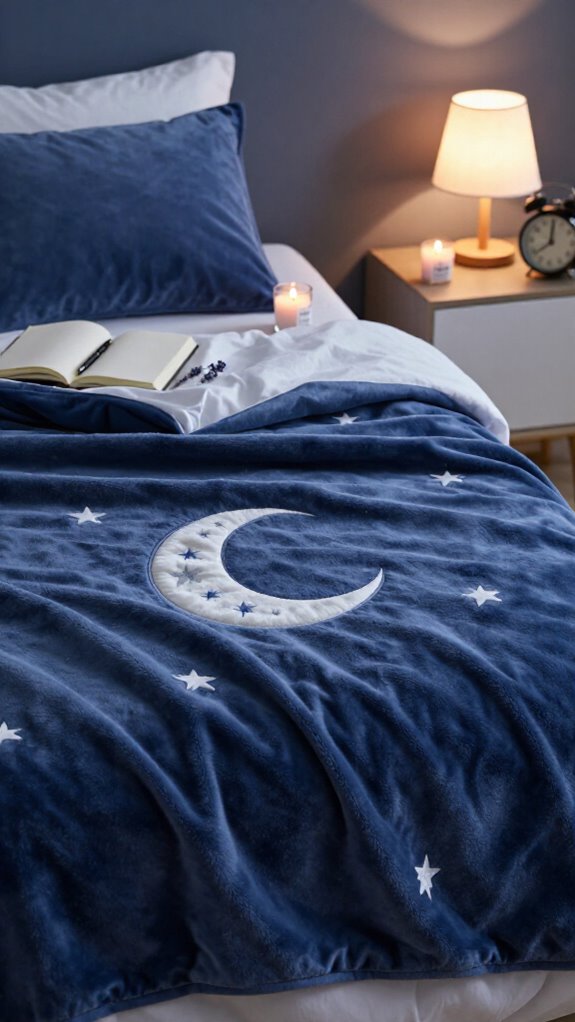
Weighted blankets have emerged as a practical tool within sleep tech and therapeutic apparel, offering a tangible method to calm somatic arousal before bed. Deep pressure stimulation helps activate the parasympathetic nervous system, promoting a sense of security that can ease the transition to sleep. For children managing ADHD symptoms, finding the recommended kids 5 lb weighted blanket can provide appropriate gentle pressure without overwhelming their smaller frame. I guide you with cooling materials and sensory integration, citing researchers like Cooper and collaborators.
| Type | Benefit | Material |
|---|---|---|
| Cotton blend | Breathable comfort | Percale |
| Bamboo | moisture wicking | Viscose |
| Microfiber | durable warmth | Polyester |
Dream Journaling With Doodles

Dream journaling combines narrative recall with visual sketching to encode nocturnal imagery into a retrievable memory. You’ll harness creative expression, dream exploration, and visual storytelling to map subconscious connection and memory retention, fostering emotional processing and sleep shift.
Dream journaling blends recall with sketching to anchor nocturnal imagery into lasting memory.
- Use quick doodles to anchor scenes
- Label feelings alongside symbols for memory clarity
- Review nightly to track progress and sharpen artistic release
FAQ
Can ADHD Meds Worsen Nighttime Racing Thoughts?
Yes, ADHD meds can worsen nighttime racing thoughts for some, though it isn’t guaranteed. I’m sharing medication side effects and nighttime anxiety to help you weigh risks, feel informed, and regain control with careful monitoring and open communication.
Do Caffeine-Free Evenings Improve Sleep for ADHD?
Caffeine-free evenings do improve sleep for ADHD, I’ve found. Like a well-tuned engine, I calm racing thoughts by caffeine alternatives and steady evening routines, taking charge of wind-down time and reclaiming peaceful, predictable nights.
Is There a Link Between Exercise Timing and Sleep Quality?
I can confirm there is a link: exercise timing affects sleep quality. I focus on exercise types and exercise duration to optimize outcomes, tailoring routines for control. Mornings or early evenings work best for consistent sleep improvements.
Can Music Therapy Aid Bedtime for ADHD?
Music therapy can aid bedtime for ADHD, like a steady lighthouse guiding ships home. I use calming playlists from various music genres to regain control, and I tailor tracks to my pace, focusing on routine, rhythm, and soothing repetition.
How Quickly Do Sleep Routines Show Results in ADHD?
Sleep routines show results in weeks, not days, as you build consistent sleep hygiene and bedtime rituals. I’ll guide you to implement steady patterns, track progress, and feel more in control while you rewrite your nights for calm, focused mornings.