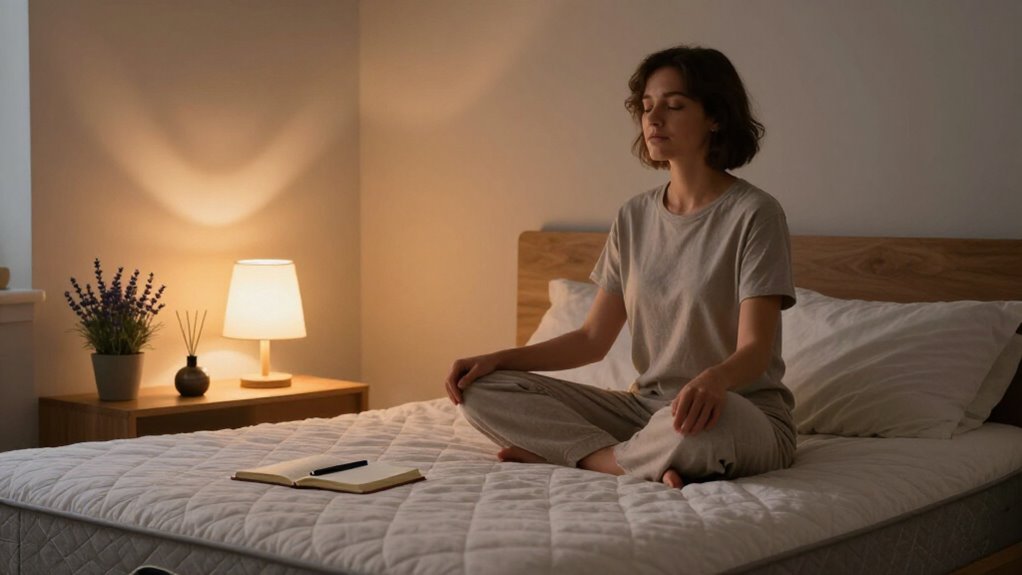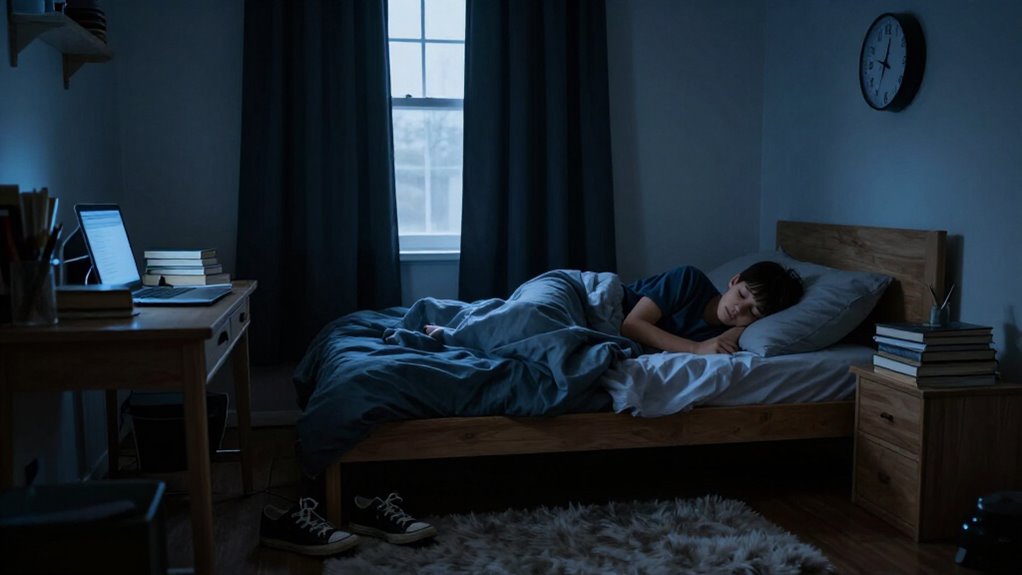
I still remember dragging myself through junior year—hitting snore like my life depended on it, snapping at my mom over literally nothing. Sound familiar? My grades tanked, my circadian rhythm was wrecked, and Stanford’s 2015 teen sleep study says I wasn’t alone. We at Corala Blanket are on a mission to fix this. Consistent bedtimes, blackout curtains (I love H.O.M.’s thermal set), and putting that phone down an hour early? Game changers. Your teen deserves energy, not exhaustion. Let’s get them there.
Quick Takeaways
- Irregular sleep patterns with significant variations in bedtime and wake-up times on weekdays and weekends.
- Excessive daytime sleepiness, decreased energy, and difficulty focusing in school and social settings.
- Difficulty waking up in the morning despite needing 8-10 hours of quality sleep.
- Mood changes, including emotional outbursts and increased irritability.
- Decline in academic performance due to reduced concentration and poor memory retention.
Irregular Sleep Patterns

One of the clearest signs that a teenager is not getting enough sleep is an irregular sleep pattern. This disruption in their sleep hygiene can manifest in significant variations in their bedtime and wake-up time, both across weekdays and weekends.
Experts attribute this largely to the impact of technology, with teenagers often staying up late using electronic devices. Blue light exposure from these screens suppresses melatonin production, making it harder for teens to fall asleep at a consistent hour. This irregular schedule can lead to a chronic sleep deficit, with downstream effects on cognitive performance, emotional regulation, and physical health.
Establishing consistent, tech-free bedtime routines is essential for optimizing teenage sleep patterns and overall well-being.
Daytime Fatigue and Drowsiness
Another prominent sign of insufficient sleep in teenagers is daytime fatigue and drowsiness. Inadequate sleep can lead to excessive daytime sleepiness, making it difficult for teens to stay alert and focused. This impacts their ability to function effectively in school and social settings. Investing in high-end gel mattress topper solutions can transform a teenager’s sleep environment, promoting the restful sleep needed for optimal daytime functioning.
| Impact of Insufficient Sleep | Negative Outcomes |
|---|---|
| Decreased energy and motivation | Difficulty concentrating and learning |
| Increased irritability and mood swings | Impaired decision-making and judgment |
| Reduced cognitive performance | Greater risk-taking behavior |
| Weakened immune system | Increased susceptibility to accidents |
| Disrupted circadian rhythms | Irregular sleep-wake patterns |
Promoting healthy sleep hygiene, including limiting electronic device use before bed, can help teens get the rest they need to thrive.
Difficulty Waking Up in the Morning
Why do teenagers often struggle to wake up in the morning? Robust sleep hygiene habits markedly impact morning wakefulness.
Adolescents require 8-10 hours of quality sleep, yet studies show many fall short. Teens’ circadian rhythms shift during puberty, delaying natural sleep onset. Inconsistent morning routines also contribute to grogginess.
Biological factors, screen time, and academic demands often disrupt sleep patterns. The prefrontal cortex, which controls decision-making, is still maturing in adolescence, reducing impulse control around bedtime.
Resolving chronic sleep deprivation requires establishing a calming pre-bed routine, limiting technology use, and prioritizing a consistent wake time, as recommended by sleep experts. While strategic napping may seem like a solution, it can actually worsen nighttime sleep quality when not properly timed.
Mood Changes and Irritability

Marked changes in mood and increased irritability can also signal a teenager is not getting sufficient sleep.
Emotional outbursts, social withdrawal, and a general lack of emotional regulation are common when adolescents fail to meet their sleep needs. According to sleep researchers at Stanford University, inadequate sleep disrupts the prefrontal cortex, which regulates emotions.
This can result in teens exhibiting explosive, erratic behavior, heightened sensitivity, and difficulty with focus and decision-making.
Addressing insufficient sleep through better sleep hygiene may help restore emotional stability and social engagement. Consulting a doctor can identify any underlying causes of poor sleep.
Decline in Academic Performance
If a teenager experiences a decline in academic performance, it may be a sign they are not getting sufficient sleep. Lack of sleep can negatively impact academic focus and study habits.
According to sleep researcher Dr. Emily Watts, chronic sleep deprivation in adolescents is linked to reduced concentration, poor memory retention, and diminished academic achievement. Teens require 8-10 hours of sleep per night, but many struggle to meet this need.
Addressing insufficient sleep through improved sleep hygiene may help restore a teen’s academic performance, as demonstrated in a study by the Journal of Adolescent Health.
Teens Need 8-10 Hours of Sleep
Adolescents require between 8 to 10 hours of sleep per night to support their developing brains. The American Academy of Pediatrics identifies teen sleep deprivation as a public health epidemic, with most teens obtaining only 6.5-7.5 hours per night. Teenagers require 8-10 hours of sleep per night. Nearly 70% fail to achieve sufficient sleep. This lack of sleep is linked to cognitive impairments, such as decreased attention, memory, and decision-making, as well as mental health risks including depression and anxiety. Sleep guidelines for adolescents emphasize that consistent nightly rest is essential during this critical developmental period. Experts recommend 9 hours of nightly sleep to optimize adolescent brain development and overall health.
Blackout Curtains for a Dark Room

Blackout curtains are a highly effective window treatment for creating a dark sleeping environment. By blocking out external light, these curtains help minimize light exposure, a key factor in promoting quality sleep.
Leading sleep experts recommend blackout curtains as part of an ideal sleep hygiene routine for teens. Brands like Defy Designs and Eclipse offer curtains made from thick, opaque fabrics that absorb and prevent light transmission.
Studies show that reduced light exposure during sleep enhances melatonin production, a hormone critical for regulating the body’s natural sleep-wake cycle. Investing in high-quality blackout curtains can greatly improve the sleep environment for teenagers.
For a modern bedroom aesthetic, total blackout curtains combine functionality with sleek design, making them a practical choice that complements contemporary teen room decor while ensuring optimal darkness for restorative sleep.
FAQ
How Do I Ensure My Teen Gets Enough Sleep?
Establish consistent sleep routines, limit tech use before bed, and create a restful environment to guarantee your teen gets adequate sleep. Prioritize their well-being and maintain authority to foster healthy sleep habits.
What Are the Consequences of Not Getting Enough Sleep?
Sleep deprivation impacts cognitive abilities, emotional regulation, and overall health. Consequences can include poor academic performance, increased risk of physical and mental illness, and diminished quality of life.
How Can I Help My Teen Develop Healthy Sleep Habits?
Cultivate a sleep oasis for your teen through consistent sleep routines and bedtime rituals, empowering them to seize the power of restorative rest and access their full potential.
What Are the Recommended Sleep Guidelines for Teenagers?
The recommended sleep guidelines for teenagers are 8-10 hours per night to maintain ideal sleep duration and support healthy biological rhythms. Insufficient sleep can undermine performance, cognition, and overall wellbeing.
How Can I Create a Sleep-Friendly Environment for My Teen?
“When night falls, guarantee a sleep-friendly retreat.” Optimize the teen’s bedroom with organized spaces and restrict technology access to foster a restful environment. Empower the teen to prioritize quality sleep for enhanced well-being.
References
- https://www.betterhealth.vic.gov.au/health/healthyliving/teenagers-and-sleep
- https://www.apa.org/monitor/oct01/sleepteen
- https://med.stanford.edu/news/all-news/2015/10/among-teens-sleep-deprivation-an-epidemic.html
- https://childmind.org/article/happens-teenagers-dont-get-enough-sleep/
- https://news.uga.edu/sleep-affects-kids-brains/
- https://pmc.ncbi.nlm.nih.gov/articles/PMC10136689/
- https://now.tufts.edu/2024/01/24/got-sleepy-teenager-heres-what-you-should-know
- https://www.thelatrust.org/articles/the-impact-of-sleep-deprivation-on-adolescents
- https://thesciencesurvey.com/editorial/2026/03/11/an-issue-hidden-in-plain-sight-teen-sleep-deprivation/